

Hello!

August 21, 2025

20 Comment

The way we speak to our kids becomes their inner voice. It teaches them how to set boundaries, how to relate to others, and how to treat themselves. The good news? You don’t need a degree in psychology to raise emotionally intelligent humans, you just need a few intentional, everyday phrases that reinforce kindness, consent, respect, and safety.

Emily Hanlon is a clinical psychologist and mum-of-three based in Sydney. With more than a decade of experience she has a specific interest in autism and developmental delay. She draws on her own personal experiences of having an autistic brother, and uses her unique first-hand experience, to facilitate her own therapeutic practice. In 2018 she founded The Playful Psychologist.

Here are 15 simple sentences we use in our home (with our little humans and grown-up ones too) to help create connection and emotional resilience.

1. “It’s okay to feel angry, but it’s not okay to be unkind.”
We want our kids to know all feelings are valid, but not all behaviours are acceptable: think hitting, kicking, punching. This sentence teaches emotional regulation without shame.

2. “All families do things differently, and that’s okay.”
Comparison starts young. This phrase fosters respect for differences and reduces unnecessary pressure to conform.

3. “Our bodies are only for us. Our bodies are personal.”
This teaches consent, autonomy, and body safety, starting with a simple truth.

4. “We don’t make comments about other people’s bodies.”
Even casual observations can hurt. This phrase builds body respect from the start and teaches kids that kindness matters more than curiosity.

5. “You don’t have to like the same things as your friends.”
Peer pressure isn’t just a teen issue. This phrase normalises individuality and encourages self-trust.

6. “It’s okay to like different things.”
A reminder that it’s safe to be yourself, even when others don’t share your passions.

7. “You don’t have to be close friends with everyone, but you do have to treat everyone with kindness.”
This is about healthy social boundaries, kindness without forced closeness. It’s a skill most adults could use, too.

8. “Even if that means walking away before we say something that may be unkind.”
This add-on encourages kids to pause before they react, and that sometimes, space is the kindest thing we can give.

9. “When someone says ‘stop’ or ‘no,’ we listen, always.”
Clear and powerful. This teaches the core of consent and respect for others’ boundaries.

10. “Make choices that help your body feel safe and strong.”
Empowering kids to listen to their bodies and honour their own safety signals. It’s also a gentle prompt to care for themselves holistically.

11. “Saying ‘sorry’ is a start. Showing you’re sorry matters more.”
Accountability isn’t about words alone, it’s about action. This phrase sets a lifelong foundation for repairing relationships meaningfully.

12. “It’s perfectly okay to have hard days or big feelings.”
Normalising tough emotions helps kids build resilience, and shows them they’re still loved when things feel messy.
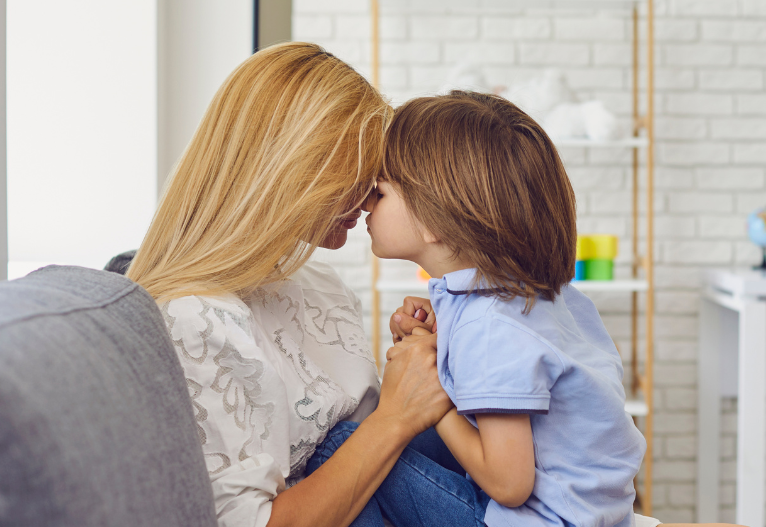
13. “Never be afraid to ask me for help. I’m here for you, always.”
Reinforces safety and open communication. Your child needs to know they can come to you, no matter what.

14. “Do you want advice, or do you just need someone to listen?”
A game-changer for every relationship, child, teen, or adult. This teaches emotional awareness, agency, and mutual respect.

15. “You are an important part of this family.”
Because belonging isn’t just a feeling, it’s a knowing. This statement reminds your child of their place, their worth, and their value.

Raising Kind Humans Starts With Us

The truth is, these phrases aren’t magic, they’re just intentional. But over time, they become the foundation of emotional safety, confidence, and connection. And the best part? You can start today. Choose one or two, practice them often, and watch the ripple effect in your family.

Let your kids borrow your words until they find their own. Make sure those words are kind, respectful, and powerful.

What are some phrases you say to your kids to help them be kind and emotionally-aware? Let us know in the comments below.


  • I would like to think that all of these are just common sense and what most parents are already saying and doing with their little ones. That being said I am aware that there are some adults out there that could do with a refresher course.
    We need more kind people in the world

    Reply

  • These are fantastic examples! I wish I could save these! I do follow quite a few instagram accounts that reinforce these types of messages!

    Is really reflect for self and respect for others. We have stop means stop and no means no… both for you and for others. We’re now navigating consent with nappy changes!

    Reply

  • Thank you for sharing these as it can be so hard to find the right way to talk about emotions. I think these phases can be used with everyone.. child or not

    Reply

  • These are all great phrases which i will definitely try to implement with my own kids. Ive saved the page to come back to because I feel they are very important and there is alot to remember yet they are simple to say just need to remember them in the moment

    Reply

  • All of these are true, but I think I’d phrase the one about not commenting on other people’s bodies a little differently. My son is profoundly deaf and wears cochlear implants. We welcomed questions from kids because it meant we could explain in simple terms some of the things that were hard for him. I know not everyone would feel that way, but if you ask nicely whether questions are okay… well…

    Reply

  • This is definitely a great article that all parents need to read. Our son saw a psychologist when he was younger and she told us that for kids hearing a negative about them is worth about 7 positives and so in order for them to be happy confident kids they really need to hear good, reassuring positives throughout the day to override any negatives

    Reply

  • The line to not comment on people’s bodies is so important. I’ve always gone by the phrase ‘if they can’t fix it in 60 seconds, don’t point it out’. Also that feelings are important, expressing your feelings is okay, and coming to talk about your feelings is always welcome. Number 13 is so important, I wish I had it more growing up

    Reply

  • I really enjoyed reading this article, I did find some of these quite interesting and informative. I spoke to a friend about this and she also found this interesting and helpful. Especially the fact that it’s okay to seek help when needed and not feel ashamed to do so. As there is a-lot of information out there.

    Reply

  • These would be good phrases to possibly use and make some positive signs for the home. It is always good to have positive phrases and quotes artistically displayed in the home to provide positive thoughts and feelings. There would be a number of ways to create positivity with these phrases.

    Reply

  • These are really quite good, I try to do most of these with my son (9). I know he has issues with a few boys at school and I say to him “you don’t have to be friends with them but you do need to be kind to them” – I would also add “people with judge you no matter what you do so stay true to yourself”

    Reply

  • These are fantastic phrases. I wish I had knowledge of them earlier when my kids were younger. I guess it’s never too late to start, but having these in my toolkit now will be fantastic. The world is such a different place now to when I grew up. I need all the help I can to raise caring and kind children.

    Reply

  • Love these phrases, not just for children I feel we can all take something away from these ❤️

    Reply

  • Being emotionally aware is so very important for children and adults. Teaching and helping children be emotionally aware is the best gift a parent can give and teach to a child. My favourite phrase is that it is okay to have big feelings. It really is ok for everyone to have big feelings!

    Reply

  • I like all of those! In particular the one about not having to like the same things as your friends. My daughter seems to be like a sponge and she just soaks up everything her friends expose her to and it’s not always a good thing. I am not liking how addicted she is becoming to animae.

    Reply

  • I find this one absolutely outstanding. I will definitely practice these statements to use it with my kids. I loved it. They are very simple, short and sweet and also very easily understand by kids. I hope it works and make every child to be kind, nice and respect each other.

    Reply

  • This is one of the greatest articles I have read. Thank you. We have had a lengthy discussion on how to implement several of these. I really like the ‘it is okay to feel’. We recently had many discussions about ‘not crying wolf’ and using the word help for when we do actually need help or Comfort.

    Reply

  • These are really helpful phrases. I especially like the “Do you want advice, or do you just need someone to listen?” I think this is great for any age.

    Reply

  • I love these phase ideas, they are all really great and some i am going to start using with my child. Thank you for sharing this, it was very very informative and helpful. One i use regularly is all families are made up differently, some are big and some are small, it doesn’t matter the size of your family, it is important to know that everyone in our family loves each other very much.

    Reply

  • These are all good phrases and I used many of these principles with my typical kids. However this is all very hard stuff for my youngest who has a severe intellectual disability due to T21 and severe ADHD combined type. Her executive functioning is impacted by both and she is not able to plan an action and consider the consequences. Besides this she struggles to recognise her own and other people’s emotions, regulate her emotions and verbalise her emotions (due to cognitive impairment and speech impairment)

    Reply

  • I love all of these phrases! They’re put beautifully and easy enough for kids to understand. As a parent myself now, im finding that im constantly trying to re-wire and change the way i parent compared to how i was raised. It is so important that my kids know i validate their feelings and that they are always loved.

    Reply

Post a comment

To post a review/comment please join us or login so we can allocate your points.

↥ Back to top

Thanks For Your Star Rating!

Would you like to add a written rating or just a star rating?

Write A Rating Just A Star Rating
Join