



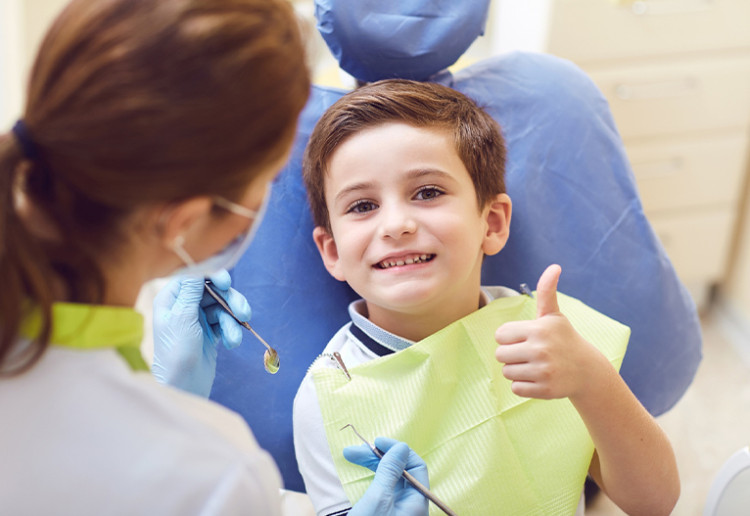
Dental visits can be tricky for neurodivergent kids, but small changes can make a big difference. In support of Dental Health Week, we asked an expert about how to support calm, positive experiences at every step.

Associate Professor Mihiri Silva is the Director of Graduate Research and Interim Director of Research at the Melbourne Dental School, University of Melbourne. Mihiri is also a Consultant Paediatric Dentist and the Research Lead for the Department of Dentistry, Royal Children’s Hospital, Melbourne and an Honorary Research Fellow (Manager) at the Murdoch Children’s Research Institute. Mihiri’s research ranges from data analytics to causal inference and qualitative research and seeks to understand and improve the oral health of children.
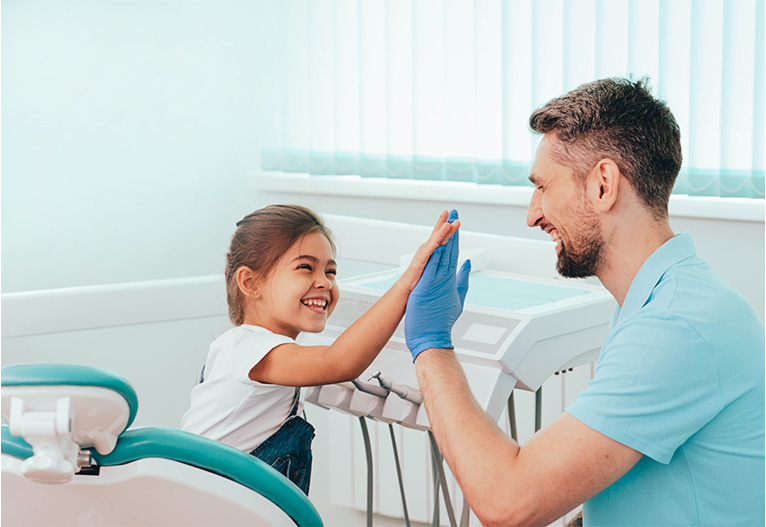
Neurodivergent children often experience the world differently from others, and a trip to the dentist may present a whole other level of anxiety and fear.
‘Neurodivergent’ is a term commonly used to describe autistic children, though autistic behaviours vary considerably in their severity and type.
“It’s important to know how we can support neurodivergent children, or those with sensory challenges, to have good oral health, and this involves working to suit individual preferences as much as possible.”
Mihiri Silva, Paediatric Dentist, Melbourne Dental School
Build healthy routines early
Establishing good oral health habits like twice-daily toothbrushing, limiting sugary foods and drinks, and regular dental visits is important throughout childhood, and particularly for children with developmental concerns or disability.
“One of the most common concerns relates to the taste and texture of toothpaste which can make toothbrushing a really stressful event and almost like a battle at times. But there are now non-foaming and flavour-free fluoride toothpastes in the supermarket which have really changed this for some children.”
Mihiri Silva, Paediatric Dentist, Melbourne Dental School
In addition, parents can remind, encourage and assist with toothbrushing. Mindful that children love to copy adult behaviours, modelling good oral hygiene habits at home is helpful, with parents leading the way by heading to the basin twice a day themselves for brushing and flossing. Using visual schedules and rewards may also help establish positive routines.

Dentists can help with dietary issues
Neurodivergent children may also have selective diets, and changing dietary patterns according to their needs and wishes can be challenging for parents and carers. But dentists and dental teams can be very helpful in this scenario, as they can partner with allied health professionals like dieticians to provide holistic support to reduce sugar intake.
A little planning goes a long way
In addition to the challenges at home, families with neurodivergent children worry about dental care because bright lights, loud noises, and smells in the dental clinic can be distressing.
Some simple, pre-visit planning and open communication with the dental team can often avoid unnecessary distress, such as parents providing the dentist with information about their child’s specific sensory needs and preferences before the appointment.
“Dentists are trained to support children, irrespective of developmental stage or disability, and have a range of ways to make the dental visit more comfortable and less challenging for the neurodivergent child.”
Mihiri Silva, Paediatric Dentist, Melbourne Dental School
This can range from simple things such as reducing bright lights and loud noises in the clinic and providing comforting weighted blankets, sunglasses or noise-cancelling headphones.
Practising opening the mouth at home, reading books together about visiting the dentist and talking through simple step-by-step instructions at home may also be helpful to prepare the child for the dental visit. Social stories, which explain the details about an event such as this and the behaviours expected at the visit, can also be helpful in the preparation process.

Focus on prevention
While Australian Dental Association survey data suggests that many parents put off taking their child to the dentist until a problem arises, seeing a dentist both early (when the first tooth emerges) and regularly keeps the focus on prevention.
This is especially important for neurodivergent children and those with a disability because it means that children can be introduced to the sights, sounds and sensations of the dental environment at their own pace, without the urgency of treating an issue. Sometimes this may mean just visiting the practice without any examination or treatment.
And remember, expert help is available
When necessary, the dentist may refer to a Specialist Paediatric Dentist, who has additional training in providing care to children with special needs. Options such as sedation and use of anaesthesia may also be considered, especially when more complex treatment is needed.
While families with neurodivergent children may face unique challenges when it comes to their oral health, new approaches to care, focusing on individual needs, make a huge difference, and a conversation with your dentist will get this process off to a great start.
This article first appeared on Best Health Buys.
What have you or your dentist done to help your child feel more comfortable at check-ups? Leave us a comment below.














-
-
-
Mama-Of-Boys said
- 19 Oct 2025
-

-
-
BellaB said
- 01 Sep 2025
-

-
-
MandaMags said
- 07 Aug 2025
-

-
-
Ellen said
- 07 Aug 2025
-

-
-
Ellen said
- 07 Aug 2025
-

-
-
mom486197 said
- 06 Aug 2025
-

-
-
mom265671 said
- 05 Aug 2025
Post a comment7:28 pm
6:37 pm
11:38 am
4:41 am
4:35 am
6:10 pm
9:04 pm
To post a review/comment please join us or login so we can allocate your points.