

Hello!

August 1, 2025

19 Comment

Parenting today comes with an incredible privilege, and a responsibility. We’re the generation with more: more information, more professional insights, more access to conscious tools for raising emotionally aware, resilient kids.

That doesn’t mean our parents ‘got it wrong,’ but it does mean we’re in a position to do it differently. And that’s what I’m choosing to do.

Emily Hanlon is a clinical psychologist and mum-of-three based in Sydney. With more than a decade of experience she has a specific interest in autism and developmental delay. She draws on her own personal experiences of having an autistic brother, and uses her unique first-hand experience, to facilitate her own therapeutic practice. In 2018 she founded The Playful Psychologist.

As a mum of three and a clinical psychologist, here are five things that I am choosing to do differently.
1. I Don’t Make My Kids Finish Everything on Their Plate

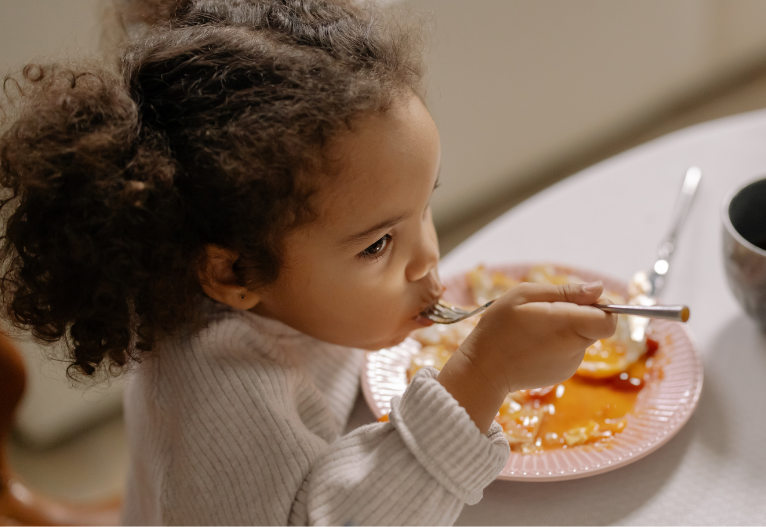
Growing up, “finish your plate” was a standard rule. It was rooted in good intentions: waste not, want not, but it also ignored our internal cues. Now, I see my role differently: I decide what is served; my children decide how much they eat. This approach builds trust, promotes autonomy, and teaches them to listen to their bodies.

This is so important, as it supports intuitive eating, builds self-trust, and removes shame from food.

2. My Kids Don’t Have to Hug Anyone. Yep, Even Family

Bodily autonomy starts early. If my children feel uncomfortable giving a hug or kiss, even to someone they see regularly, I support their choice. In many cultures, this is still seen as rude or disrespectful, but to me, it’s about consent and self-respect.

I want them to trust their instincts and feel safe saying no, not just now, but in their teenage years and beyond.

3. There Are No Time-Outs. We Stay With Our Kids in the Tough Moments

In the past, behavioural outbursts were punished with isolation: timeouts, being sent to your room, or shame-based discipline. But behaviour is communication. It’s often the result of overwhelming emotions, not defiance. That’s why we don’t remove our children from connection when they’re struggling.

We sit with them, stay with them, and help them navigate what they’re feeling while holding clear, respectful boundaries. Using a ‘time in’ in place of a ‘time out’ builds emotional safety, reduces shame, and fosters lifelong openness.

    4. Mental Health > Academic Achievement (Always)

    In earlier generations, grades and academic success were often the ultimate measure of a child’s worth. Not in our house. School performance matters, yes, but not more than our kids’ mental and emotional wellbeing.

    Kids are more than their report cards. Prioritising mental health teaches them that who they are matters more than what they achieve.

    5. Emotional Expression Is Always Welcome (Even the Big Feelings)

    We don’t shut down tears. We don’t scold anger. We don’t label emotions as “good” or “bad.” Whether our kids are expressing joy, frustration, sadness, or fear, it’s all welcome here. Especially for our boys, this is radical.

    They’ll never be told “toughen up” or “boys don’t cry.” Because those messages aren’t toughening them up; they’re teaching them to suppress, hide, and disconnect. Emotional fluency is strength. Our kids deserve to be seen and accepted in their full human experience.

      Remember, It’s Not About Blame; It’s About Breaking Cycles

      I’m not writing this to criticise my parents or the generations before us. They did the best they could with what they knew. But now that we know more, we do better.

      Parenting is about progress, not perfection. My hope is that by changing the way we raise our kids today, we’ll raise a generation that feels safer, more connected, and more confident in who they are.

      Feature image: Photo by Paolo Resteghini on Unsplash


      What are you doing differently to what your parents did? We’d love you to share in the comments below.


        • I enjoyed reading this article as it has lot of good advice here. I absolutely agree that children should not be made to hug everyone as long as they acknowledge them. We all want resilient, happy kids. As the article mentions they need to trust their instincts and be able to say No, especially in their teenage years.

          Reply

        • Straight away with the first thing…. I never pushed my kids to eat everything on their plates… sometimes I dont feel like eating everything on my plate. I did have one fussy eater but that was very much because of an indulgent Dad. She even admitted it to him when she was older

          Reply

        • I do most of the things mentioned in this article but not everythinflg our parents did was wrong either. Timeouts are important sometimes to give everyone space and down time to maintain sanity. We dont label it as timeout but I do tell my kids to go and do a quite time activity and they can come and play again when feeling better.

          Reply

        • We do alot of this with our son (9) – he doesn’t have to hug people but he needs to acknowledge them and say hi or bye. Dinner, he needs to at least try the food doesn’t have to eat it all but needs to try it. It depends on how time outs are done, sometimes we do need to remove him from the situations and sometimes we need as parents to remove ourselves from the situation too so we don’t lose it too.

          Reply

        • I agree with most of these suggestions, but I do think that occasionally time outs can be useful. We didn’t use them for lengthy periods, but sometimes five minutes away from everyone else can really calm the situation down. Then we’d go in to talk to them, but they’d have those few minutes first.

          Reply

        • Thank you for sharing these tips. I was born and raised in a very conservative typical family that high marks matter, manners by holding a hand and putting in on my forehead showing respect specially to elderly. Or I cannot cry because that is a sign of weakness. But now that I am a mum, I am trying to apply all the things mentioned in this article. I acknowledge how my kids would feel especially if they have their own opinions. I just love reading this knowing that it is not
          Just me who is doing this. I believe people’s parenting styles should evolve as the generations evolve.

          Reply

        • I was always brought up to eat what was on my plate but if I didn’t want to eat it, that was fine but I couldn’t ask for anything else to eat later. I told my kids that they had to try everything on their plate. As long as they took a small mouthful and didn’t like it they didn’t have to eat it and wouldn’t be served it again unless they asked for it. It made mealtimes much more enjoyable.

          Reply

        • It is so very important to question everything and anything and to also change and it incredibly good for personal growth. We love to shake up traditions and ways of doing things and it can indeed unsettle others; however; it is so very important to be authentic and to live life in a very honest way.

          Reply

        • The amount of reflection, growth and learning we gain from our children is astonishing isn’t it. Yes I parented differently to my parents, yet I also know there were things I attempted to change, but defaulted back. I definitely didn’t make my child eat all that was on their plates, nor did I expect them to hug everyone.

          Reply

        • We have always done everything differently and of course received some backlash. It is so important to think about parenting style and be authentic and not simply follow traditions. We have never ever agreed with finishing everything on a plate. Consent is essential and we have never ever followed the tradition of hugs. It has always been a firm no!

          Reply

        • There are some good ideas in there, but there is also a lot that is just impractical. I agree that you shouldn’t push kids to eat everything on their plate if they say they are full. I do think that they should be encouraged to try things they might not like. The whole methods of discipline cause me pause though. Emotions that are negative really shouldn’t be encouraged. It lets the child know that those feelings are okay to express in a sometimes negative way.

          Reply

        • Some good ideas, I remember back in the day being the last one at the table because I did not want to eat my meat, and was told I had to eat it all, yes I now don’t eat any meat.

          Reply

        • This is lovely to read, I couldn’t agree with her take more. There are *many* things I do and will be doing differently. I mainly want my kids to grow up in a household where they feel comfortable expressing their emotions at any time. Might sound like an obvious thing but wasn’t the case for us

          Reply

        • I think sometimes we just continue on doing things the way we always have done, maybe even the way our parents have. Being a grandparent in this modern world has made me rethink a lot of this. While they still need discipline, many of the suggestions above make sense nowadays. We are always learning.

          Reply

        • My husband and I made a very deliberate choice to raise our daughter the same way we had been raised because we both liked and enjoyed our childhoods. We had some new challenges like how to handle technology and how to handle some social situations, but overall having had good parental role models gave us an idea of how to handle those situations. I agree that if there are things you didn’t like or agree with while growing up, then as a parent you should make those changes.

          Reply

        • I love these tips and I already incorporate a lot of these suggestions. Allowing big feelings to be expressed at home is so important as it means they feel safe to do it with you around. I think it’s so important that they feel safe and able to let their emotions out.

          Reply

        • Aw that’s a pity this clinical child psychologist lives in Sydney; I would be interested for her to see my eleven year old with Down syndrome, who also has ADHD and quite some ASD markers. She struggles a lot with recognising regulating and verbalising her emotions and gets extremely frustrated when she can’t do things perfectly well at once.
          I totally agree with all the points Emily Hanlon shares here.

          Reply

        • Yes, yes and more yes!! I can totally relate to all these as I am now in the seat and taking responsibility of breaking cycles for my children so they can become the best version of themselves and know that we are there with open arms and acceptance. Seeing them feeling fulfilled emotionally is worth more than academics thats for sure

          Reply

        • Omg yes!!
          I completely agree with this! As a child I was made to sit at the table until I ate the pumpkin on my plate. I gagged and took around half an hour to eat it through tears. Now as an adult I have tried pumpkin many times and I still just don’t like it. I make sure my kids don’t HAVE to eat anything but I always suggest they try a little bit of something and I praise them for giving anything new a go.

          Reply

        Post a comment

        To post a review/comment please join us or login so we can allocate your points.

        ↥ Back to top

        Thanks For Your Star Rating!

        Would you like to add a written rating or just a star rating?

        Write A Rating Just A Star Rating
        Join