




Screen time is impacting our youth, but is it all bad? We spoke to a psychologist to find out how we can harness the benefits of screen time while minimising the risks.

Katrina Langhorn is a registered psychologist and qualified teacher with over twenty years of experience working with children and parents. With experience in both public and private practice, schools, hospitals and a corrections facility, she specialises in evidence-based treatment. A respected educator and keynote speaker, she regularly shares her expertise across Australia and is the author of The Challenge Journal. Katrina is also the Clinical Director of AT Full Potential.

Is screen time all bad?
Research has shown that there are benefits to screen time, like keeping up with current trends, improving digital literacy in an ever-evolving technology world, and most importantly, staying connected with peers.
However, there can also be negative consequences like the amount of time spent on screens, the harmful type of media being consumed and even addictive behaviours. Research has further shown that excessive screen time for youth can have significant impacts on their physical, cognitive and emotional regulation.
Developmental impacts
The timing of screen use can also impact sleep patterns. This is because devices like iPads, iPhones, and computers emit blue light that disrupts melatonin production, our body’s natural sleep hormone. There are also physical implications like eye strain, tech neck and lack of exercise, due to many screen time positions being sedentary and promoting poor posture.

The impact on social and emotional development is particularly pertinent for children under three, as this is a period of rapid growth. As such, excessive screen time can lead to missed opportunities for crucial learning and interaction.
The volume of content consumed on the screen
You know what it is like as an adult. You click on Instagram or TikTok for a quick scroll, and an hour later, you realise your toast is cold and you are late for school pickup!
Social media is designed to engage us, so it should come as no surprise that our kids want to spend so much of their time using it!
The risk of excessive social media use
The link between social media use and youth mental health has emerged as one of the most urgent and hotly debated issues in public health and policy today.
Mission Australia recently surveyed almost 17,500 young people aged 15-19 and found that 97% of them use social media every day. Moderate social media use, defined as one to three hours daily, was associated with better mental health outcomes compared to high social media use, which is characterised by over three hours a day and represents approximately 38% of young people.
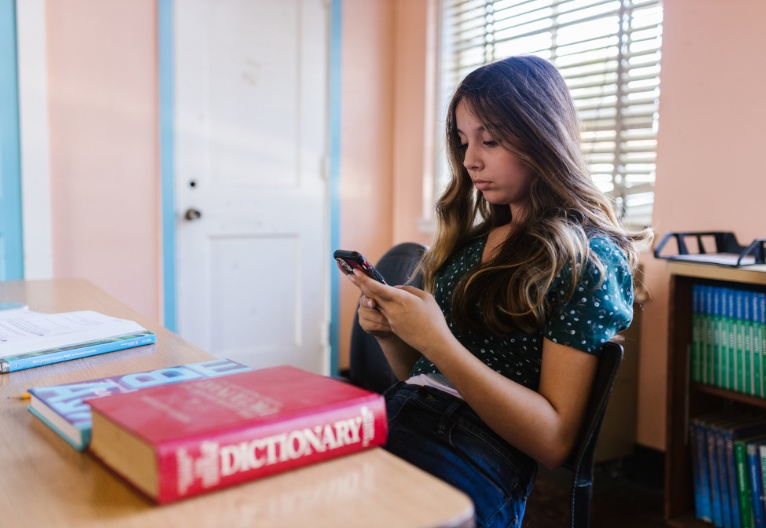
The youth in the higher social media use range reported worse mental health, wellbeing and psychological distress, like negative feelings concerning the future, lack of control over their lives and feeling lonely.
This 2024 Youth Survey found that gender-diverse, female and Aboriginal and Torres Strait Islander young people were more likely to be in this high social media user range and more likely to report negative mental health impacts.
According to a report from youth mental health research and advocacy organisation Orygen, the findings suggest moderation may be crucial to healthy social media use and not all young people are negatively affected by social media.
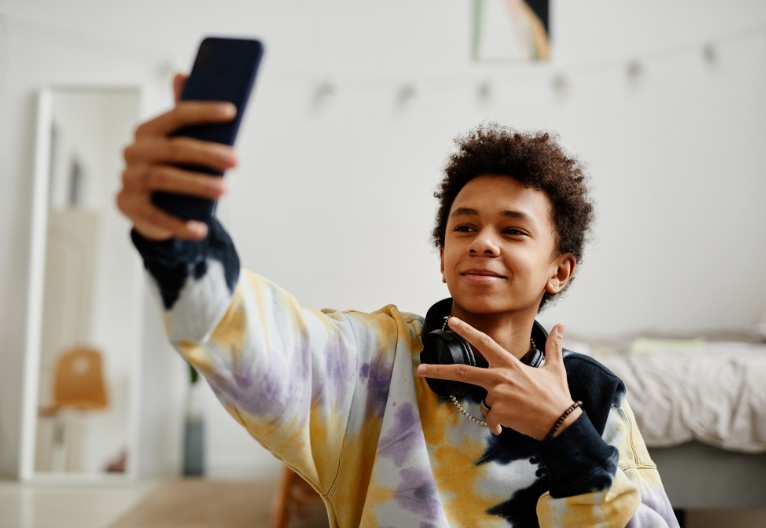
Dr. Louise La Sala, lead author and Orygen research fellow said that these findings challenge the belief that all social media use is harmful, noting that moderate users often reported better or similar wellbeing compared to low users, including greater hope, control, social connection and physical participation in exercise through sports. The report also found that social media was being used by young people for support, connection and belonging as well as for mental health support when it was not able to be accessed elsewhere.
However, we are all too aware of the more harmful aspects of these platforms, including algorithm-driven manipulation and addictive design features such as streaks, constant alerts and endless scrolling, which encourage compulsive use, as well as increasing exposure to graphic and violent online content.
Changing laws
As public discourse intensifies around the idea of limiting social media access for under-16s, this report explores the intricate relationship between youth mental health, well-being and social media engagement.
Australia is set to implement a ban on social media use for individuals under 16 (including platforms like TikTok, Snapchat and Instagram) starting in December. And some schools have already implemented total mobile phone bans on-site.
The author and research fellow recommended that the ban should be part of a broader strategy, and not the final measure, in protecting all users on social media, no matter how old they are.
Vicarious trauma
The adverse effects of vicarious trauma are tied to repeated exposure to distressing material, with screen time serving as a common channel for such exposure.
Research shows this can negatively affect a young person’s anxiety and emotional dysregulation. No one should be exposed to harmful content, especially young people. The ban is a move in the right direction, but there is still more we need to do, and the discussion shouldn’t end here.

Given the widespread use of social media among young people, it’s essential to equip them with the skills for safe navigation, while shaping policies and platform designs that promote healthy digital engagement, discernment and resilience.
I heard a speech delivered by the eSafety Commissioner Julie Inman Grant at the National Press Club in Canberra who recently said, “The Australian Government’s Social Media Minimum Age law is the first of its kind to pass anywhere in the world, with overwhelming support across the Parliament and the states”. However, she prefers to call this a social media access ‘delay’ rather than a ban. Delaying youth access to social media until they have developed better executive functioning skills like analysing information and critical reasoning.
The government is expecting a report by the end of this month on technologies for verifying the ages of all users on social media and adult websites. This impending report will help determine which platforms the measures will apply to and which verification technology will be implemented ahead of the ban taking effect on 10 December 2025.
How do I know if my child is addicted to screens?
When everyday activities like getting up, getting ready or going to school start to be disrupted, it may be a sign to look for emotional responses and signs of dependence. These include cravings, needing more screen time to feel good, difficulty stopping device use or irritability when not using screens.
Ask yourself if your child shows signs of the following:
- Frequently preoccupied with thoughts about using technology or planning its use
- Feeling a growing compulsion to use technology more frequently
- Turning to technology as a way to escape or avoid problems
- Making unsuccessful attempts to reduce technology use
- Feeling anxious or uneasy when technology isn’t available
- Using technology to the extent that it interferes with school or home
In a four-year study in America, addictive use of screens has been associated with increased mental health risks, including anxiety, depression and suicidal thoughts or behaviours.
Addictive screen use may be a sign that your child is facing emotional challenges. Instead of responding with punishment or shame, try to approach the situation with empathy and curiosity. Ask open-ended questions such as, “What do you get out of being online?” or “When do you feel the strongest urge to be on your phone?”

Spending more time on screens can raise the risk of children or teens developing addictive behaviours and mental health challenges. Children are particularly vulnerable because their brains are still being consolidated, especially in areas related to delayed gratification and self-regulation. Additionally, many platforms have a deliberate design feature to be addictive.
Prevention may be easier than treatment, so set time limits, screen-free zones and monitor. If you think your child may be becoming addicted to screens, seek professional help as early as possible.
What can adults and parents do?
The Orygen report recommends enhancing digital literacy so that when the ban takes effect, 14- and 15-year-olds are better prepared to navigate social media safely when they do gain access. This is a chance for parents to begin talking with their children about the upcoming changes.
The eSafety Commissioner website has guidance to support these conversations, including resources on VPNs, circumvention tools and step-by-step instructions for downloading account data before profiles are closed.
Parents can also introduce screen-free times, like during meals and on driving journeys. They can also create screen-free zones like bedrooms and bathrooms.
As a mother myself, I am not about casting blame, we can all strive to:
- Set time limits and model this yourself with your own devices
- Encourage a healthy balance of offline activities, especially with things you can do together!
- Monitor the content your child is consuming and keep the communication lines open
This article first appeared on Best Health Buys.
What steps do you take to moderate your kids’ screen time? Leave us a comment below.
















11:26 pm
11:45 am
7:58 am
6:37 am
6:48 am
9:03 pm
5:31 pm
4:44 pm
11:35 am
9:36 am
5:14 am
2:35 pm
7:56 am
7:51 am
10:07 am
7:57 am
8:29 am
6:55 pm
2:39 pm
12:50 pm
- 1
- 2
- »
Post a commentTo post a review/comment please join us or login so we can allocate your points.